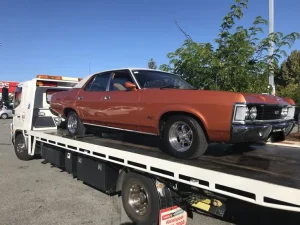
Moving your vehicle across state lines? Crossline Auto Transport helps customers arrange state-to-state auto transport for relocations, online vehicle purchases, seasonal moves, and other long-distance shipping needs. Explore convenient open and enclosed shipping options based on your vehicle, destination, and budget.
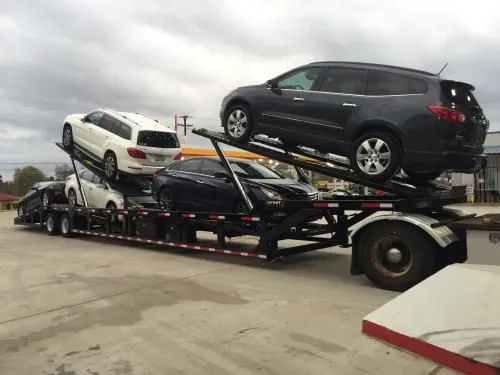
Moving a vehicle between states can require significant planning. Long-distance driving involves fuel costs, overnight accommodation, time away from work, and additional mileage on your vehicle.
For many customers, professional interstate car shipping offers a convenient alternative.
Crossline Auto Transport helps individuals and businesses explore state-to-state vehicle transportation options for a variety of shipping needs.
Based in North Miami, Florida, we understand the importance of making long-distance vehicle shipping easier to plan, whether you’re moving out of Florida, purchasing a vehicle in another state, or arranging transportation for a seasonal relocation.
Our focus is on helping customers understand their available shipping options and prepare for the transportation process.
State-to-state auto transport involves shipping a vehicle from one U.S. state to another using a vehicle transportation carrier.
This service is commonly used when the distance makes driving inconvenient or when the vehicle owner prefers not to make the journey personally.
Interstate shipping can involve open-air carriers or enclosed trailers, depending on the customer’s preferences and the vehicle’s requirements.
For example, a customer moving from Florida to Texas may choose open transport for a standard sedan, while someone transporting a valuable collectible automobile may prefer an enclosed carrier.
The most suitable method depends on the vehicle, route, schedule, and budget.
Avoid Long-Distance Driving
Driving across several states can be tiring and time-consuming. Professional vehicle transportation allows you to arrange the movement of your car while you travel separately.
Reduce Additional Vehicle Mileage
Every long-distance road trip adds mileage to a vehicle. Shipping helps avoid the mileage that would otherwise accumulate during the journey.
Simplify Relocation Planning
Moving to another state often involves housing arrangements, employment changes, packing, and family responsibilities.
Arranging vehicle shipping can remove one major task from your travel schedule.
Transport Vehicles Purchased Out of State
Buying a vehicle from an out-of-state dealership or private seller has become increasingly common.
Interstate auto transport provides a way to arrange delivery without personally traveling to collect the vehicle.
Choose a Suitable Shipping Method
Customers can consider open or enclosed transport based on their priorities.
Open transport generally offers a more economical option, while enclosed shipping provides additional protection from direct environmental exposure.
The first step is requesting a shipping quote.
Provide your pickup city and state, destination city and state, vehicle make and model, operating condition, and preferred shipping dates.
Accurate details help determine which transportation options may be suitable.
Next, review the available arrangements and confirm the booking terms.
Before pickup, clean your vehicle, remove loose personal items, and take photographs of its condition.
At collection, an inspection should be completed and recorded.
The carrier then transports the vehicle toward its destination.
During long-distance shipments, transit time can be affected by route length, weather, traffic, driver schedules, and other operational conditions.
When the vehicle reaches its destination, coordinate delivery and inspect the vehicle before signing the final paperwork.
Customers arrange interstate auto transportation for many different reasons.
Some are relocating for employment or education. Others are moving closer to family, purchasing a vehicle from another state, or transporting a car to a second home.
Seasonal residents may arrange vehicle transportation between Florida and northern states rather than driving long distances twice a year.
Military personnel and families may also need vehicle shipping when relocating, depending on their individual circumstances.
Businesses may use interstate transportation when moving vehicles between locations.
Each shipment has different requirements, so planning ahead is important.
Interstate car shipping costs vary depending on distance, vehicle dimensions, transportation method, route demand, fuel expenses, and carrier availability.
Longer journeys generally have higher total shipping costs, although the price per mile may be lower on some longer routes.
Large vehicles, inoperable automobiles, and specialized transportation requirements may increase the cost.
Enclosed shipping generally costs more than open carrier transportation because of differences in capacity and equipment.
Seasonal demand can also affect pricing, particularly on routes frequently used by relocating and seasonal travelers.
For an accurate estimate, request a quote using your actual vehicle and shipping details.
Delivery time depends on the origin, destination, route, carrier schedule, and conditions during transportation.
A relatively short interstate journey may take only a few days, while a cross-country shipment can require considerably longer.
Pickup scheduling and transportation time are separate considerations.
Weather, traffic, road closures, and other circumstances may affect estimated arrival dates.
Customers should discuss expected timing before booking and avoid assuming that estimated delivery dates are guaranteed.
Proper preparation helps make interstate shipping more straightforward.
Clean the vehicle and photograph its exterior. Check for mechanical problems, leaks, and loose parts.
Remove valuables and personal belongings unless the transport provider expressly permits specific items.
Inform the carrier about aftermarket modifications, unusual vehicle dimensions, or non-operational conditions.
Keep important documents accessible and make arrangements for someone to be available at both pickup and delivery.
It is also important to review the shipping agreement, payment terms, insurance information, and inspection procedures.
Whether you’re shipping a vehicle from Florida to another state or arranging a long-distance delivery to South Florida, Crossline Auto Transport can help you explore your transportation options.
Tell us where your vehicle is located, where it needs to go, and when you’d prefer to ship it.
Contact Crossline Auto Transport at (786) 807-2728 to request a state-to-state auto transport quote today.
Find answers to some common questions about car shipping and vehicle transportation.
The cost of shipping a car depends on several factors, including transport distance, vehicle size, route, carrier availability, season, and whether you choose open or enclosed transport. Contact Crossline Auto Transport for a quote based on your specific shipment.
Transit time varies depending on the distance, route, traffic, weather, and carrier scheduling. Shorter routes generally take less time than cross-country shipments. Pickup and delivery dates should be treated as estimates unless a specific guarantee is expressly included in your agreement.
Open transport is generally the more economical choice for everyday vehicles. Enclosed transport offers additional protection from weather and road exposure and may be preferable for classic, luxury, exotic, or collectible cars.
You or an authorized adult should generally be available to hand over the vehicle, review its condition, and sign the applicable inspection documents. If someone else will represent you, arrange this before pickup.
Clean your vehicle, remove personal belongings and loose accessories, document its condition with photos, check for fluid leaks, and follow the carrier's fuel-level and battery requirements. Keep a copy of the vehicle inspection documentation for your records.